FAS (Free Alongside Ship) is the sea freight incoterm where the seller delivers by placing the goods alongside the vessel, on the quay at the port of shipment, export cleared. From then on, loading, freight and risk belong to the buyer.
How FAS works
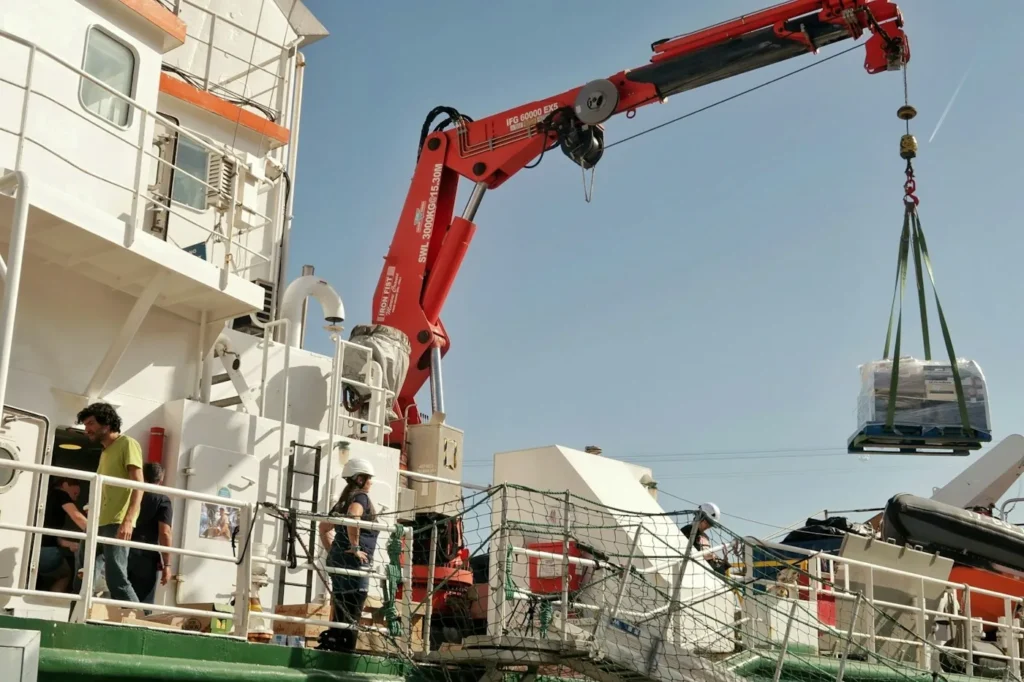
The seller brings the goods to the quay or to a barge next to the vessel you booked. Lifting them on board is already your cost. That is why FAS only fits sea or inland waterway transport, and almost always bulk or breakbulk cargo lifted piece by piece.
Where FAS shows up in China imports
In project cargo: an industrial press or a transformer too large for a container, shipped on a general cargo vessel from Shanghai to Lázaro Cárdenas. The manufacturer delivers it on the quay and your operator handles the crane, lashing and freight. That kind of move needs engineering, as in industrial project cargo transport.
The common mistake
Using FAS for containers. A container is not delivered “alongside the ship”: it is handed over at the terminal well before loading, so the term no longer describes reality. Containerized cargo calls for FCA. And since lifting is the riskiest moment for heavy cargo, your cargo insurance must cover it explicitly.
In the contract: “FAS berth 5, Port of Shanghai, Incoterms® 2020”. Moving an oversized piece? Write to us and we plan the shipment.
Who pays what under FAS
| Item | FAS |
|---|---|
| Transport mode | Sea and inland waterway only |
| Seller delivers | Alongside the vessel at the port of shipment |
| Risk passes to buyer | Once alongside the vessel |
| Export clearance | Seller |
| Main carriage | Buyer |
| Insurance | No one is obliged |
| Import clearance and duties | Buyer |
All 11 incoterms, side by side: EXW, FCA, FOB, CFR, CIF, CPT, CIP, DAP, DPU and DDP.
Source: International Chamber of Commerce (ICC), Incoterms® 2020 rules.