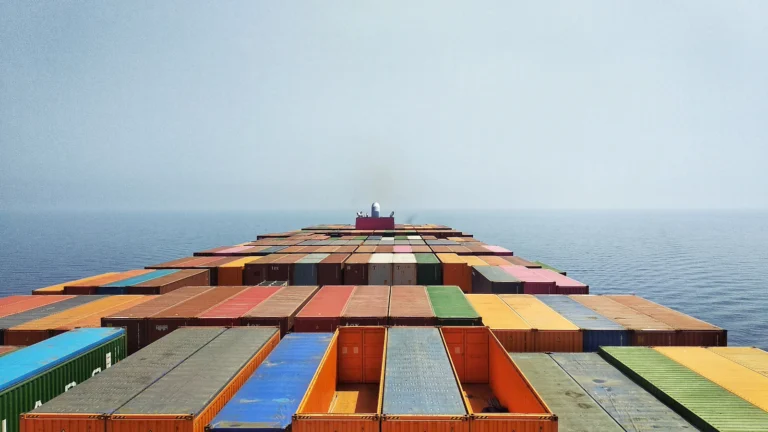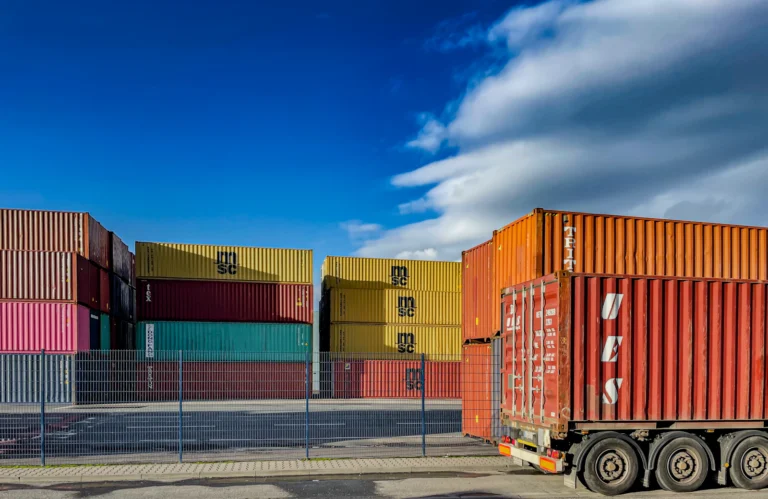
FOB (Free On Board) is the maritime incoterm where the seller fulfills the deal by placing the goods on board the vessel at the port of origin, export cleared. From that moment, the cost and the risk of the voyage belong to you, the buyer.
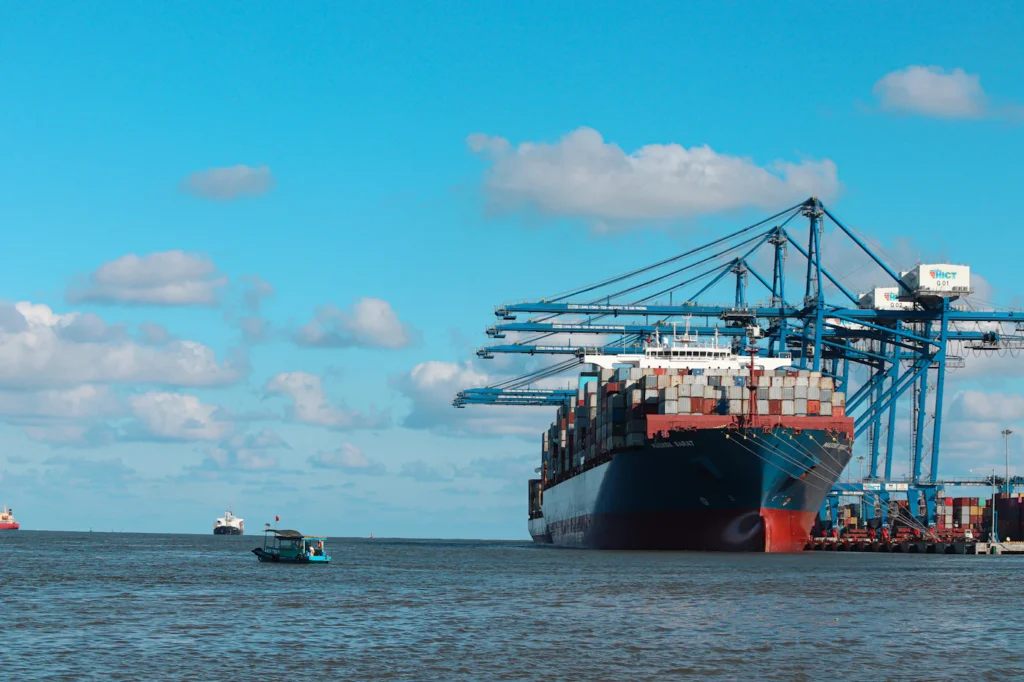
How it splits costs and risks
The supplier pays inland transport at origin, export clearance and loading onto the vessel. You book and pay the ocean freight, the insurance if you want it (FOB obliges nobody to insure), and everything at destination. Risk transfers when the goods are on board: whatever happens at sea is the buyer’s problem, not the seller’s.
Why buyers like it when importing from China
FOB is the most common starting point for importers because it lets you choose your own freight forwarder and control the freight, instead of paying whatever transport the supplier arranges with their margin baked in. With a forwarder that has its own team at origin, your cargo is under your control before it even ships.
The common mistake
Believing FOB includes freight or insurance. “They sold it to me FOB” means exactly the opposite: the voyage is on you. The second mistake is skipping insurance because “the incoterm doesn’t require it”: incoterms allocate responsibilities, they don’t protect your money. For cargo of any real value, insure it regardless of the term.
Compare FOB with EXW, CIF and DDP. Quoting a shipment? Write to us and we arrange your sea freight from any Chinese port.