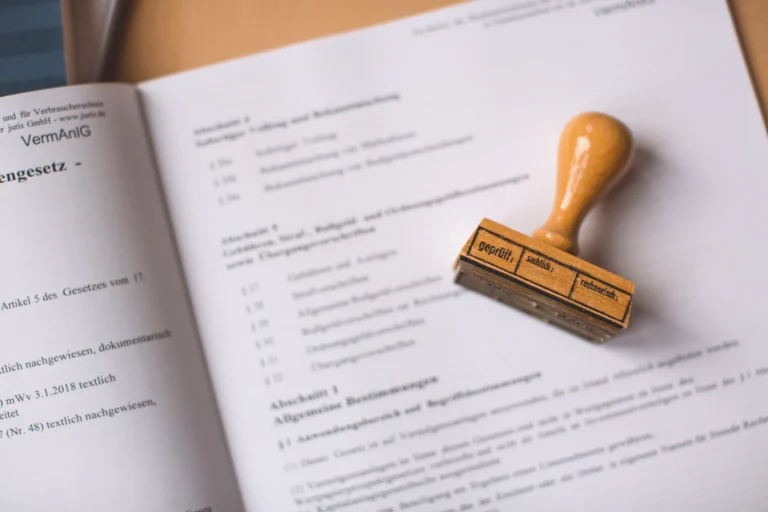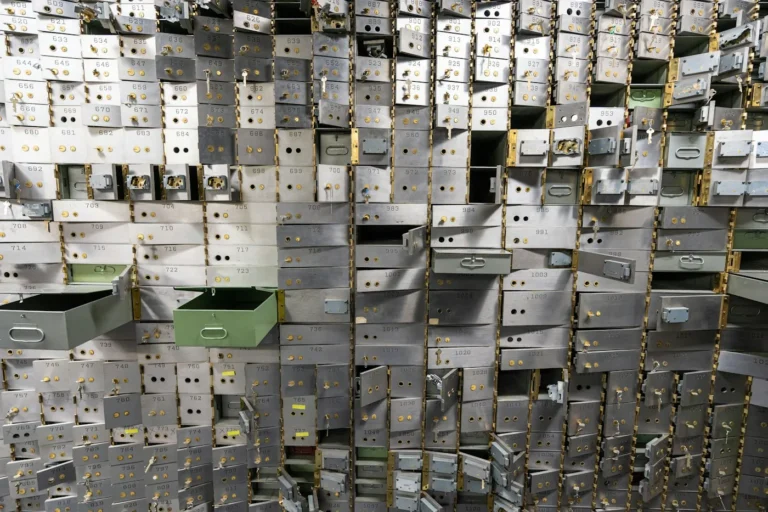
A bonded facility (recinto fiscalizado) is the authorized installation, inside or adjacent to a Mexican customs point, where foreign trade cargo is stored and handled under customs control while it clears. Your container arriving at Manzanillo or Lázaro Cárdenas goes through one before you can touch it.

How a bonded facility works
The facility receives cargo off the vessel or aircraft, keeps it in custody and releases it when clearance is complete. The service is billed: there are free storage days, and after them a daily rate that grows with time. Mexico also has strategic bonded facilities, a regime that allows storing or transforming goods with tax benefits, which is the figure behind solutions like OptiChina.
Why the bonded facility matters when importing from China
Every day your cargo spends in the facility beyond the free days comes out of your margin, on top of the carrier’s own demurrage clock, which runs separately. A clearance stuck over one missing document turns the port into the most expensive warehouse you will pay for in the whole operation.
The common mistake
Starting to prepare the clearance after the cargo lands. Documents are reviewed and transmitted before arrival so the container spends the fewest possible days inside. Importers who plan the clearance while the vessel is still crossing the Pacific pay free days; importers who improvise pay storage.
How to keep storage costs down
Each facility grants free storage days that vary by customs office and cargo type. Have your customs entry (pedimento) ready before the cargo arrives, review the rates of the assigned facility and ask whether a transfer to another one is possible. Authorized facilities at each customs office can be checked with the National Customs Agency of Mexico (ANAM).
Need strategic warehousing on the Mexico-China corridor? See OptiChina or contact us directly.