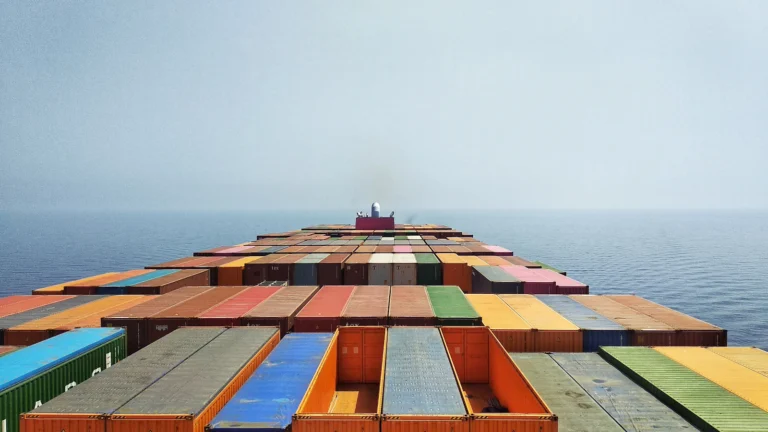
CFR (Cost and Freight) is the sea freight incoterm where the seller books and pays freight to the port of destination, but risk passes to the buyer once the goods are on board at the port of origin. The seller pays for the voyage; the buyer carries its risk.
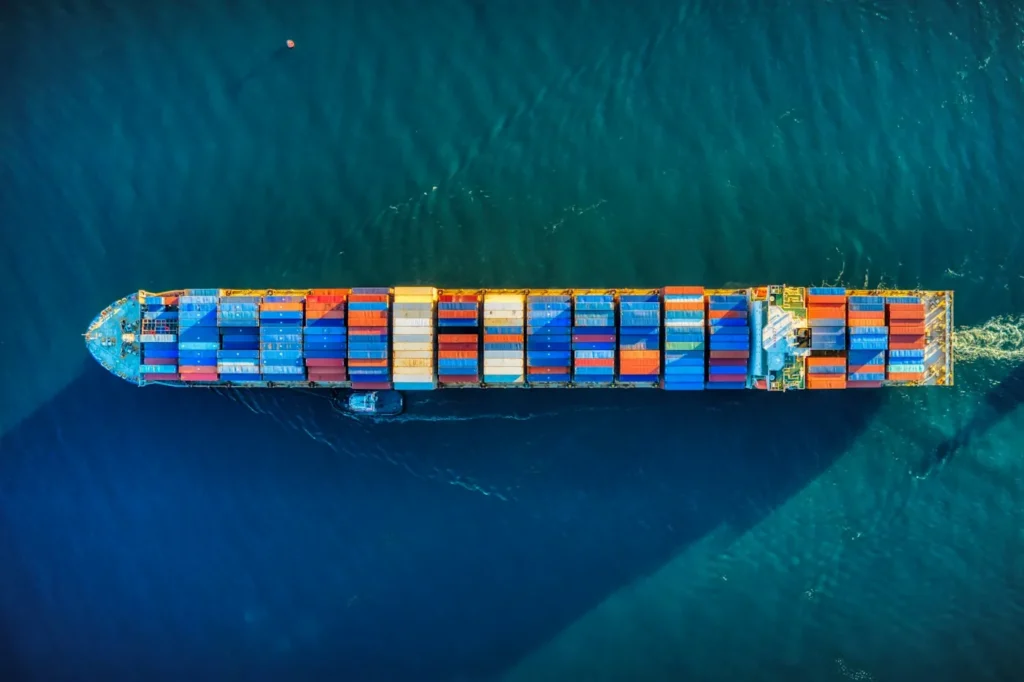
How CFR works
CFR has two separate critical points: one for costs (the destination port) and one for risk (loading at origin). It is the same as CIF without the duty to insure. Unloading at destination, import clearance and duties are yours.
Where CFR shows up in China imports
In quotes like “CFR Manzanillo”: your supplier in Ningbo books the vessel and gives you a price with freight included. It feels convenient, but the supplier picks the carrier, the route and the timing, and destination charges missing from the price land on your customs broker. Ask for a breakdown and compare it with your own sea freight.
The common mistake
Assuming that because the seller pays the freight, the voyage risk is the seller’s. It is not: if the cargo is damaged at sea, the claim is yours, and CFR obliges no one to insure. Buy cargo insurance from loading. And for containerized cargo, the right term is CPT, not CFR.
In the contract: “CFR Manzanillo, Incoterms® 2020”. The port named under CFR is the destination port, not the origin.
Who pays what under CFR
| Item | CFR |
|---|---|
| Transport mode | Sea and inland waterway only |
| Seller delivers | On board the vessel at the port of shipment |
| Risk passes to buyer | Once on board, at origin |
| Export clearance | Seller |
| Main carriage | Seller, to the port of destination |
| Insurance | No one is obliged |
| Import clearance and duties | Buyer |
All 11 incoterms, side by side: EXW, FCA, FAS, FOB, CIF, CPT, CIP, DAP, DPU and DDP.
Source: International Chamber of Commerce (ICC), Incoterms® 2020 rules.