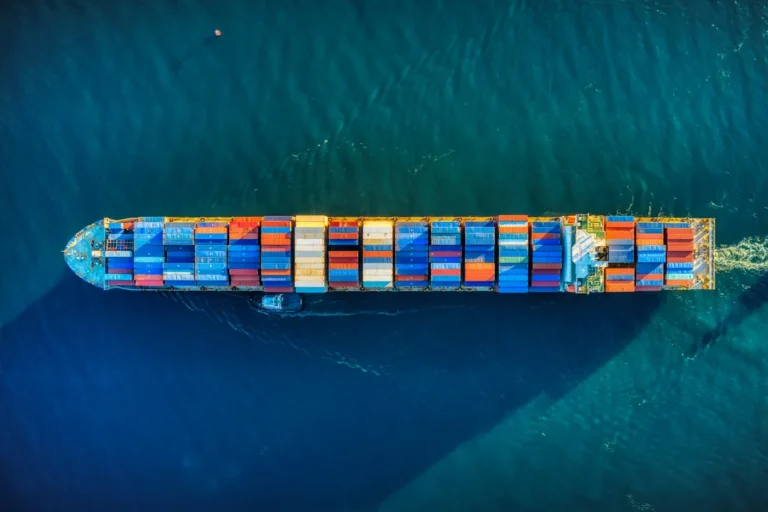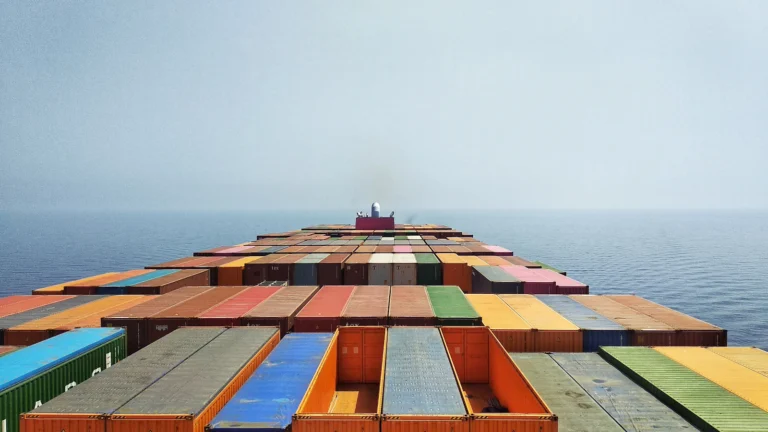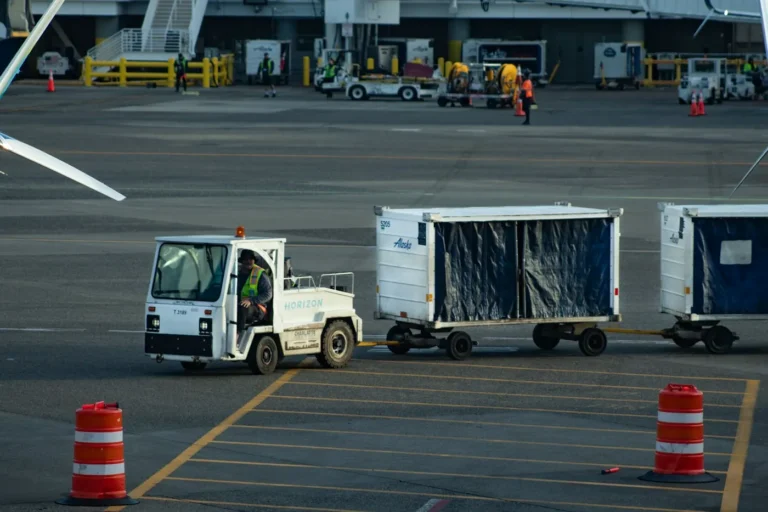
DAP (Delivered at Place) is the incoterm where the seller brings the goods, at its cost and risk, to the named place of destination and makes them available to you on the arriving vehicle, ready for unloading. Unloading, import clearance and duties belong to the buyer.
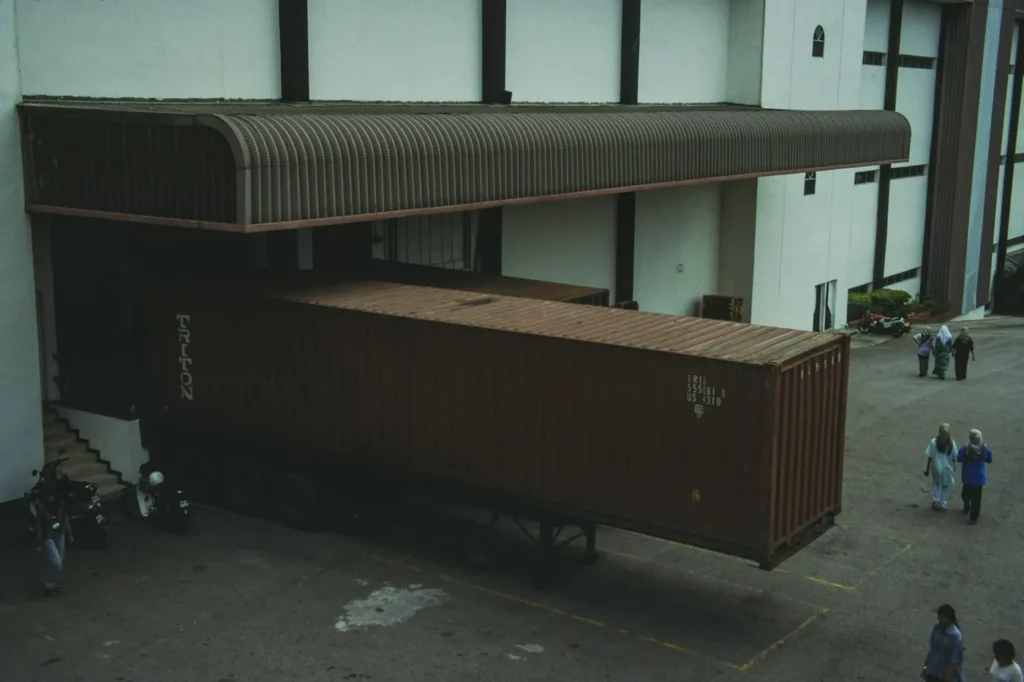
How DAP works
The seller takes on the whole trip: freight, transit and risk up to the destination. Its obligation ends there, before unloading. You clear the goods for import through your customs broker, file the pedimento and pay the duties. It works for any transport mode.
Where DAP shows up in China imports
Example: “DAP buyer’s warehouse, Monterrey” for a container leaving Shenzhen. The supplier pays and bears the risk up to your warehouse, but the container has to clear Mexican customs in Manzanillo in your name first. If your paperwork is not ready, the goods are held and storage charges run, even though the term says “delivered”.
The common mistake
Reading DAP as “all inclusive”. It does not include import clearance: if you do not line up customs in time, you pay storage and demurrage. If you want the seller to import too, the term is DDP, with its own risks. To keep cargo moving, coordinate customs from origin, as in OptiChina.
In the contract: “DAP buyer’s warehouse, Monterrey, Incoterms® 2020”, with the full address.
Who pays what under DAP
| Item | DAP |
|---|---|
| Transport mode | Any |
| Seller delivers | At the named destination, ready for unloading |
| Risk passes to buyer | At destination, before unloading |
| Export clearance | Seller |
| Main carriage | Seller |
| Insurance | No one is obliged |
| Import clearance and duties | Buyer |
All 11 incoterms, side by side: EXW, FCA, FAS, FOB, CFR, CIF, CPT, CIP, DPU and DDP.
Source: International Chamber of Commerce (ICC), Incoterms® 2020 rules.