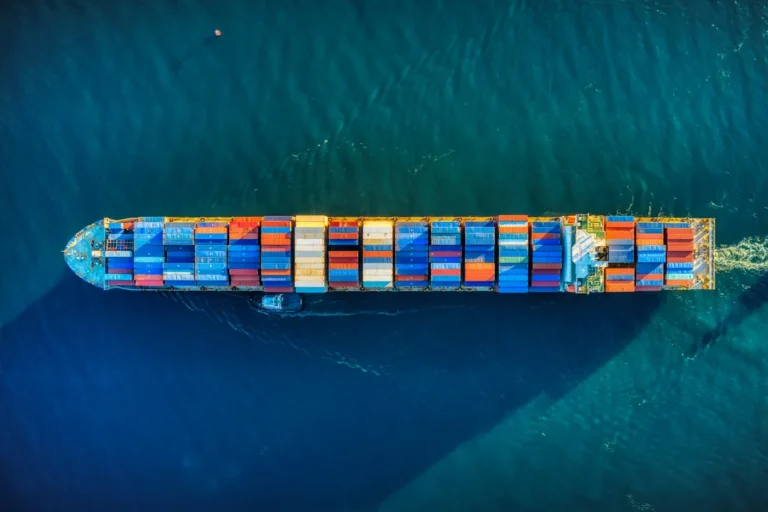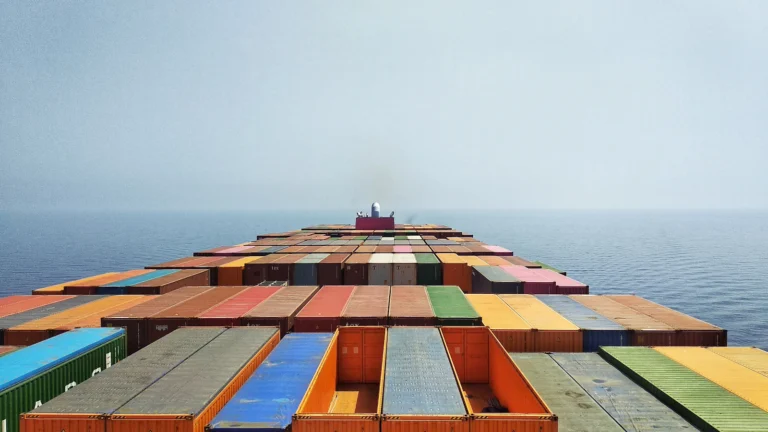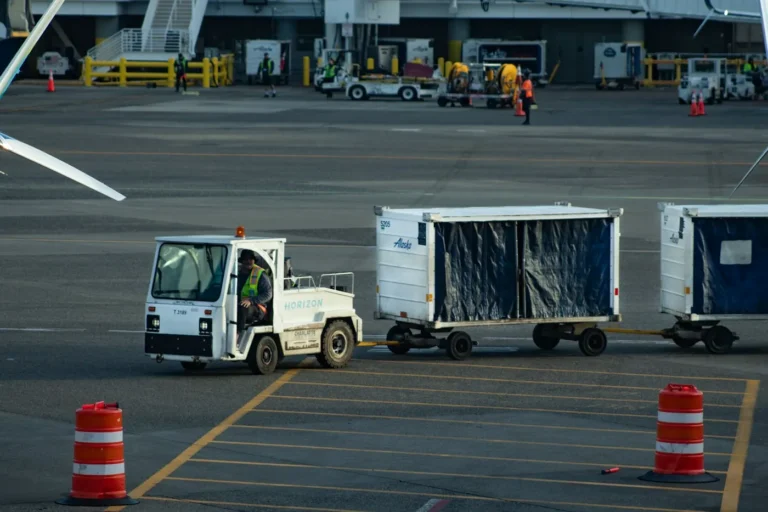
CPT (Carriage Paid To) is the incoterm where the seller pays carriage to the named place of destination, but risk passes to the buyer when the goods are handed to the first carrier at origin. It works for any transport mode, including containers and air freight.

How CPT works
It is the multimodal equivalent of CFR: the seller pays the trip to the destination named in the contract, and you take the risk from the first handover. If the move has several legs, risk passes on the first one, not at the port. Import clearance and duties are yours.
When CPT makes sense for imports from China
It fits when the supplier already has good rates and you want a price delivered to your city. Example: “CPT Guadalajara” for a container leaving Shenzhen, entering through Manzanillo and moving inland by rail or truck. The seller pays up to Guadalajara, but if the cargo is damaged in the Shenzhen yard, the risk was already yours. For urgent shipments it works the same way with air freight.
The common mistake
Confusing the place up to which freight is paid with the place where risk passes. Under CPT they are two different points, and in between the goods travel at your risk with a carrier you did not choose. CPT does not require insurance, so buy door-to-door cargo insurance, or ask for CIP if you want the seller to arrange it.
In the contract: “CPT Guadalajara, Incoterms® 2020”, and also specify the delivery point at origin.
Who pays what under CPT
| Item | CPT |
|---|---|
| Transport mode | Any |
| Seller delivers | To the first carrier, at origin |
| Risk passes to buyer | On delivery to the first carrier |
| Export clearance | Seller |
| Main carriage | Seller, to the named destination |
| Insurance | No one is obliged |
| Import clearance and duties | Buyer |
All 11 incoterms, side by side: EXW, FCA, FAS, FOB, CFR, CIF, CIP, DAP, DPU and DDP.
Source: International Chamber of Commerce (ICC), Incoterms® 2020 rules.