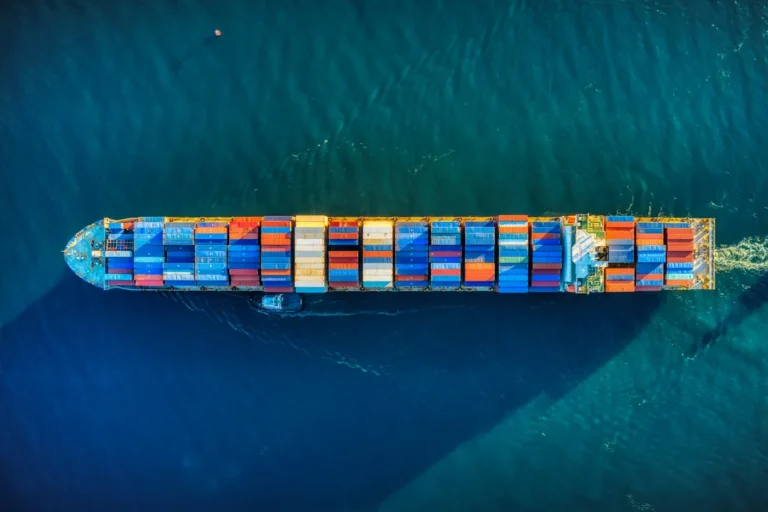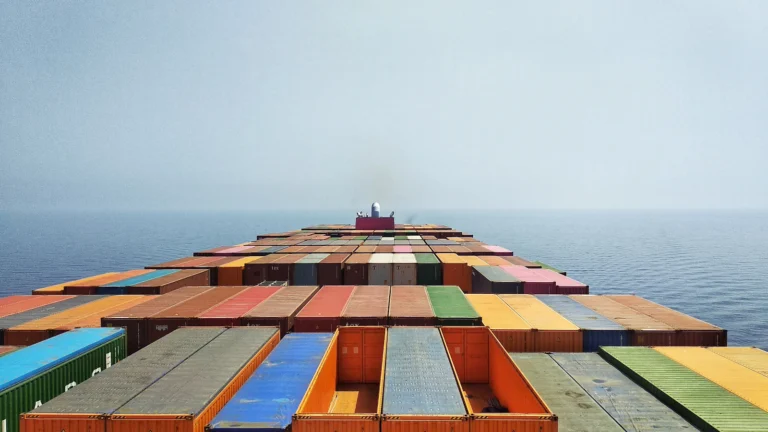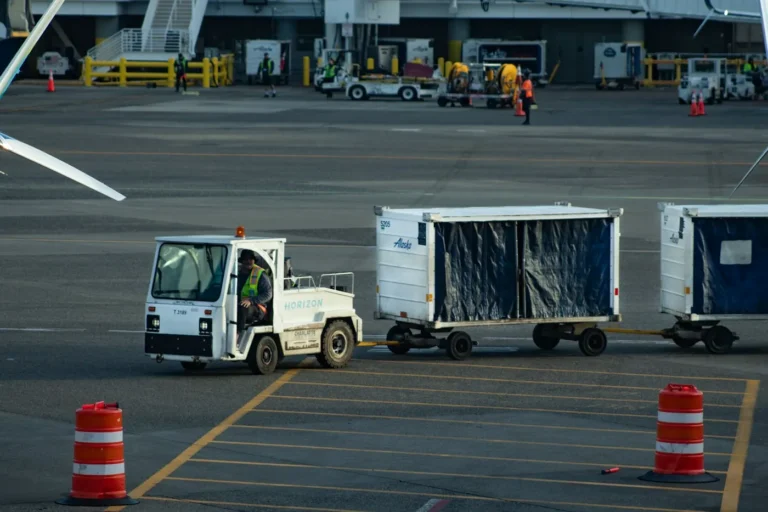
DPU (Delivered at Place Unloaded) is the only incoterm where the seller must unload the goods at the named destination. It carries the cargo at its cost and risk, unloads it and delivers it there. Import clearance and duties belong to the buyer.
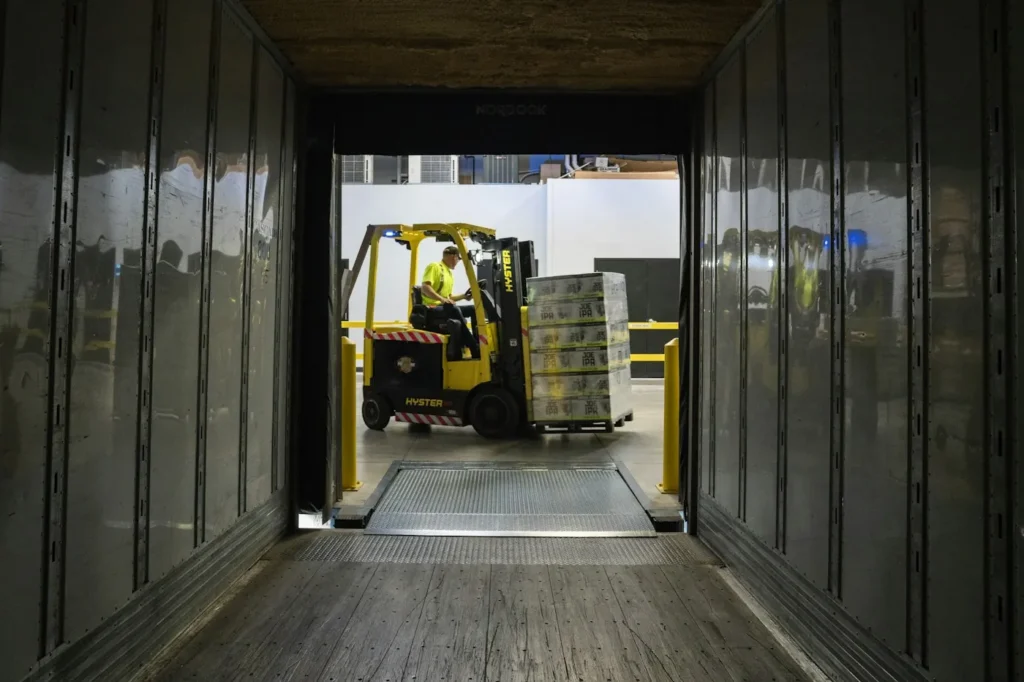
How DPU works
In Incoterms 2020, DPU replaced the former DAT, which only allowed delivery at a terminal: now the destination can be any place. The difference with DAP is a single one, but it matters: under DPU the unloading risk is the seller’s. It works for any transport mode.
Where DPU shows up in China imports
It makes sense when the seller controls unloading at destination, for example a manufacturer installing its own machinery at your plant in Saltillo. For a typical importer from China it is impractical: the supplier can rarely arrange unloading in Mexico and ends up subcontracting it to someone you do not know. In most of those cases DAP, with unloading arranged by your own team, is the cleaner choice.
The common mistake
Choosing DPU without confirming the seller can unload at destination. If it cannot, the term fails in the very last meter. Also forgetting that, as with DAP, import clearance is yours: customs and duties in Mexico are on you. Line up the ground transport and unloading before signing.
In the contract: “DPU buyer’s plant, Saltillo, Incoterms® 2020”, with the full address.
Who pays what under DPU
| Item | DPU |
|---|---|
| Transport mode | Any |
| Seller delivers | At the named destination, unloaded |
| Risk passes to buyer | At destination, after unloading |
| Export clearance | Seller |
| Main carriage | Seller |
| Insurance | No one is obliged |
| Import clearance and duties | Buyer |
All 11 incoterms, side by side: EXW, FCA, FAS, FOB, CFR, CIF, CPT, CIP, DAP and DDP.
Source: International Chamber of Commerce (ICC), Incoterms® 2020 rules.