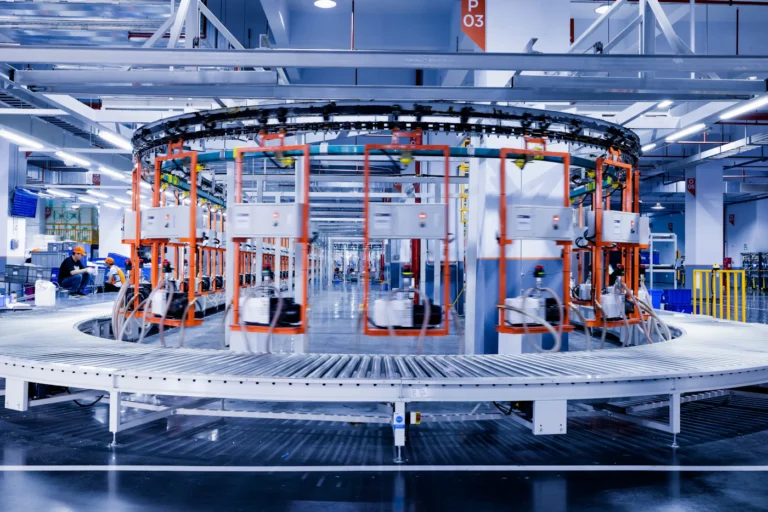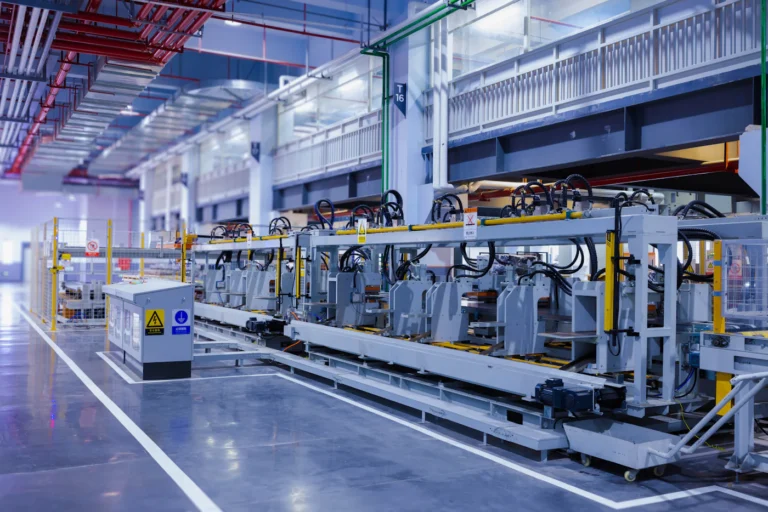
A pre-shipment inspection (PSI) is the verification of your goods at the factory or warehouse of origin, before they ship and before you pay the balance. An inspector checks against your specifications: quantities, quality, function, packaging and marking.
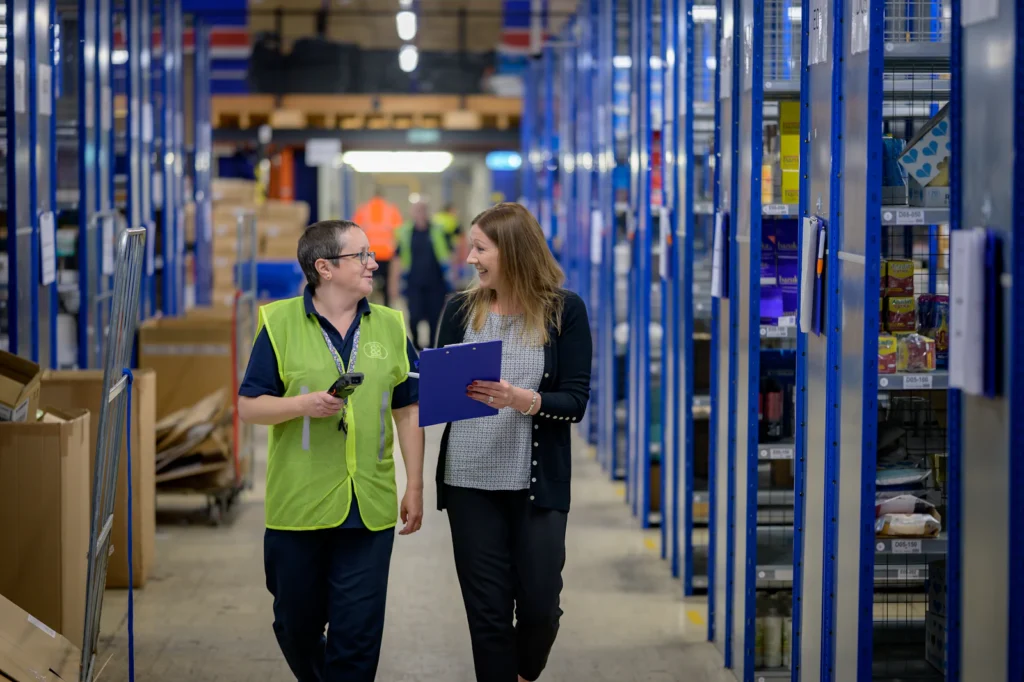
How pre-shipment inspection works
The inspection typically happens with production finished and packed, on a statistical sample of the lot. The result is a report with photographic evidence and a verdict against the criteria you defined. That report is your last chance to stop a defective shipment while you still hold the leverage of the unpaid balance.
Why pre-shipment inspection matters when importing from China
Whenever the cost of receiving a bad lot exceeds the cost of inspecting it, which is almost always. A defective container discovered in Mexico has already paid freight, duties and demurrage, and claiming against a supplier across the Pacific, balance already paid, is a negotiation that starts lost.
The common mistake
Skipping the inspection to save money, or running it after paying the balance, when the leverage is gone. The second mistake is inspecting without clear specifications: if you never defined in writing what “acceptable” means, the inspector has nothing to measure against and the report doesn’t protect you. Criteria are agreed with the order, not with the shipment.
What an inspector checks
Quantity, packaging and labeling, dimensions and function against the approved sample, and visible defects. Sample size is usually set with the AQL tables of ISO 2859-1, which define how many units to check and how many defects are acceptable based on lot size.
With our own team in Shenzhen we inspect at the factory as part of our purchasing consultancy in Asia. Write to us before your next order.