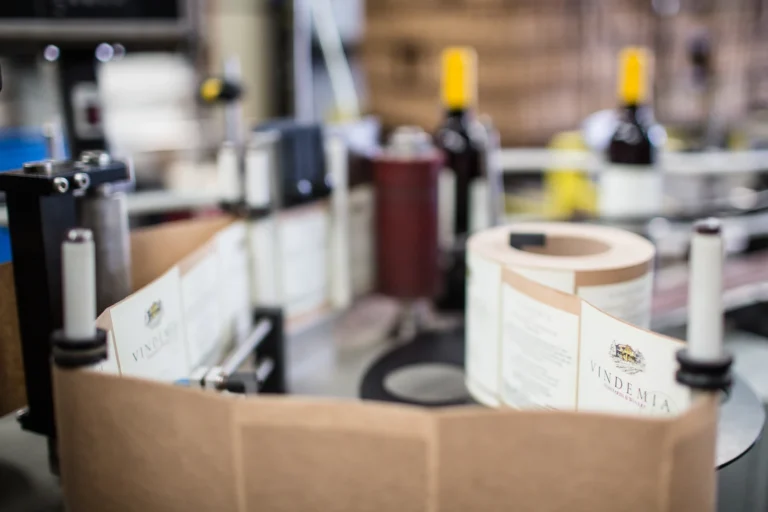
The MOQ (Minimum Order Quantity) is the smallest quantity a manufacturer will produce or sell per order. It is one of the first numbers a Chinese supplier gives you, and one of the most negotiable, even when it doesn’t look like it.

Why it exists
The MOQ reflects the factory’s economics: setting up a line, buying raw material and running a batch has fixed costs that a small order doesn’t absorb. That is why a high MOQ usually comes with a better unit price, and an under-MOQ order, when accepted, costs more per unit.
When it hits you sourcing from China
When validating a new product. The classic dilemma: the MOQ that makes the unit price attractive forces you to commit capital to a product your market hasn’t proven yet. The sane sequence is the reverse: sample first, then a trial order even if the unit price hurts, and only with real sales the large order that exploits the MOQ.
The common mistake
Comparing suppliers by unit price without looking at the MOQ that conditions it, and deciding without the total landed cost: unit price, freight, duties and the warehousing of the inventory that MOQ forces you to carry. A staggered-volume deal (less now, more on the reorder) is usually worth more than a cent less per piece.
Our purchasing consultancy in Asia negotiates MOQs and prices directly with manufacturers, in their language and on their turf. Tell us what you are sourcing.