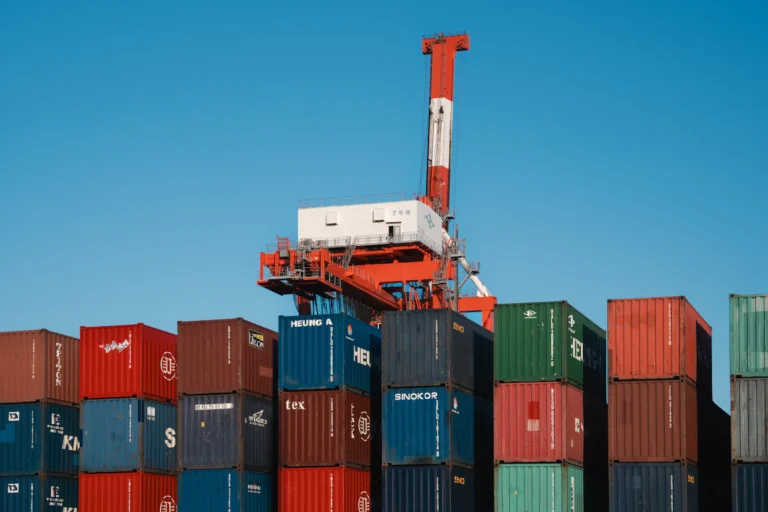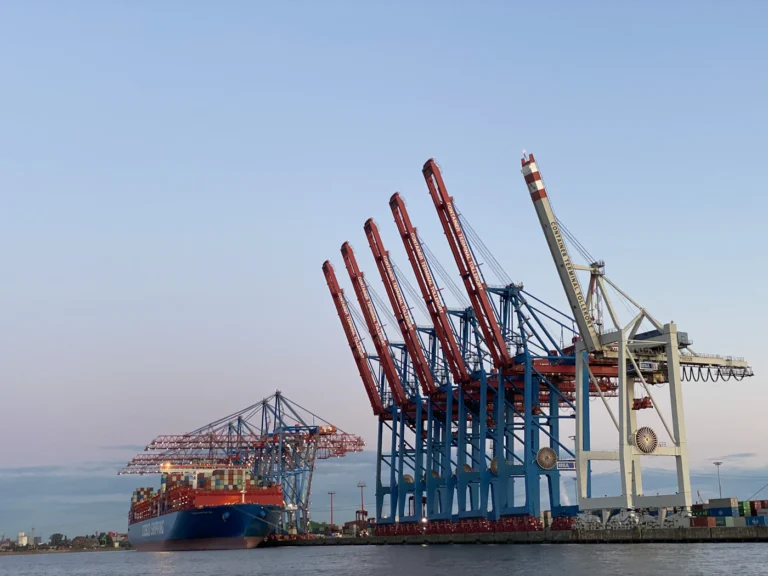
Container types are the standardized variants of the box that moves world trade. The most common are the 20 and 40 foot standard, the high cube (40 foot with extra height) and the specials: refrigerated (reefer), open top for tall cargo and flat rack for anything that will not fit in a closed box.
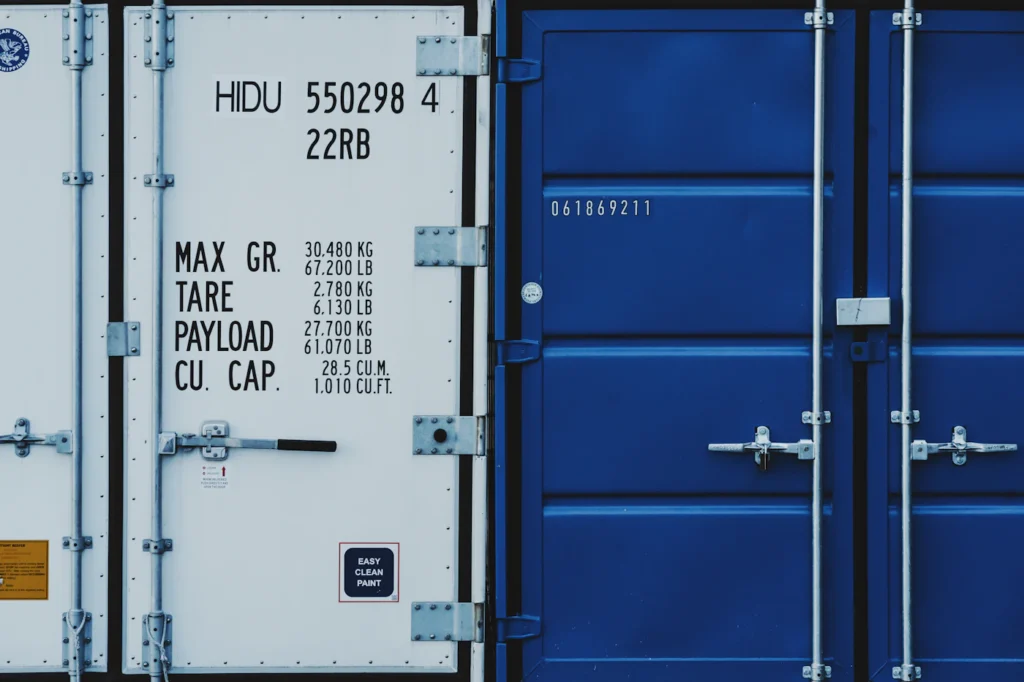
Which one fits which cargo
The 40 foot and the high cube dominate general cargo; the 20 foot suits dense goods that hit the weight limit before filling the volume. The reefer keeps the cold chain with its own unit, and open top and flat rack solve machinery and out-of-gauge pieces, with the handling and rates of project cargo.
Why it matters when importing from China
When quoting FCL and when planning the load: the type and size of the box define how much fits, how it is stowed and what the freight costs. Good cubing sometimes saves an entire container; bad cubing sends paid-for air across the Pacific.
The common mistake
Cubing with the container’s external dimensions, or ignoring the weight limit. What rules are the internal dimensions, the door opening and the weight caps per container and per road at destination: filling a heavy cargo to the volume limit can leave you over the legal weight on the trucking leg.
Send us your packing list and we tell you which container fits and how to stow it: write to us or quote sea freight directly.