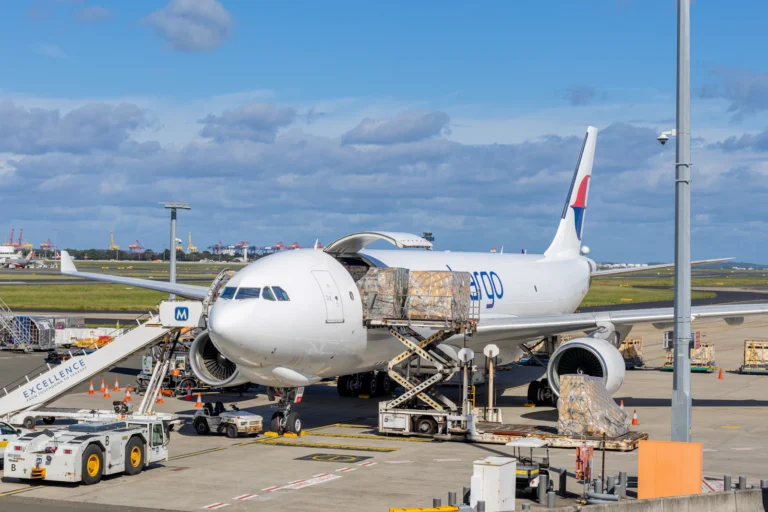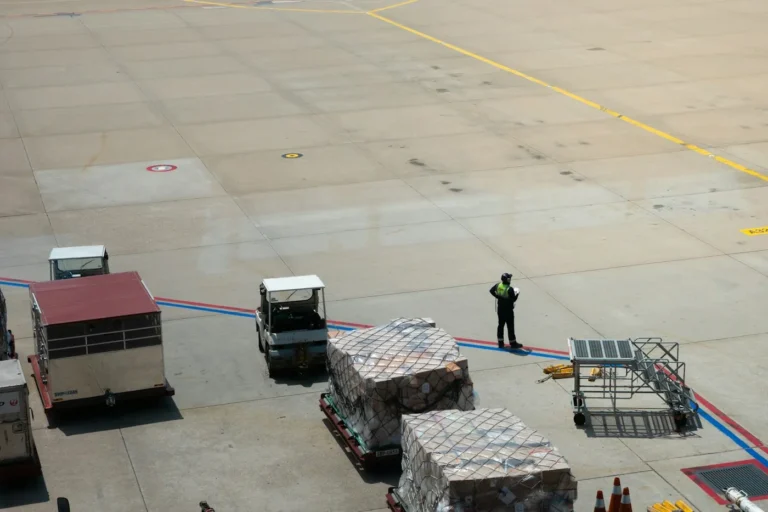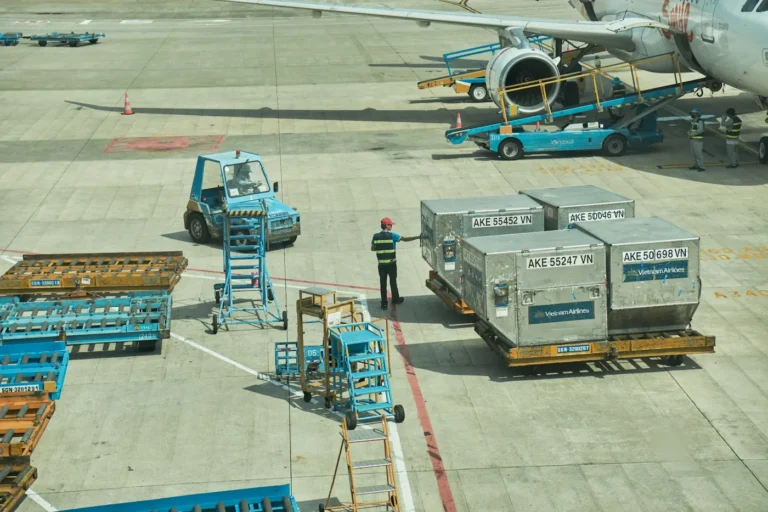
Dangerous goods in air cargo are substances or articles that can endanger health, safety or property during flight. Their carriage is governed by the ICAO Technical Instructions, and day-to-day operations follow IATA’s Dangerous Goods Regulations (DGR), updated every year.
How dangerous goods are classified
They fall into the 9 UN classes: 1 explosives, 2 gases, 3 flammable liquids, 4 flammable solids, 5 oxidizers and organic peroxides, 6 toxic and infectious substances, 7 radioactive material, 8 corrosives and 9 miscellaneous. The class number does not indicate the degree of danger. Besides the air waybill, the shipment needs a Shipper’s Declaration for Dangerous Goods, approved packaging and the right labels. The current DGR is the 67th edition (2026); the 68th applies from January 1, 2027.
How it affects imports from China
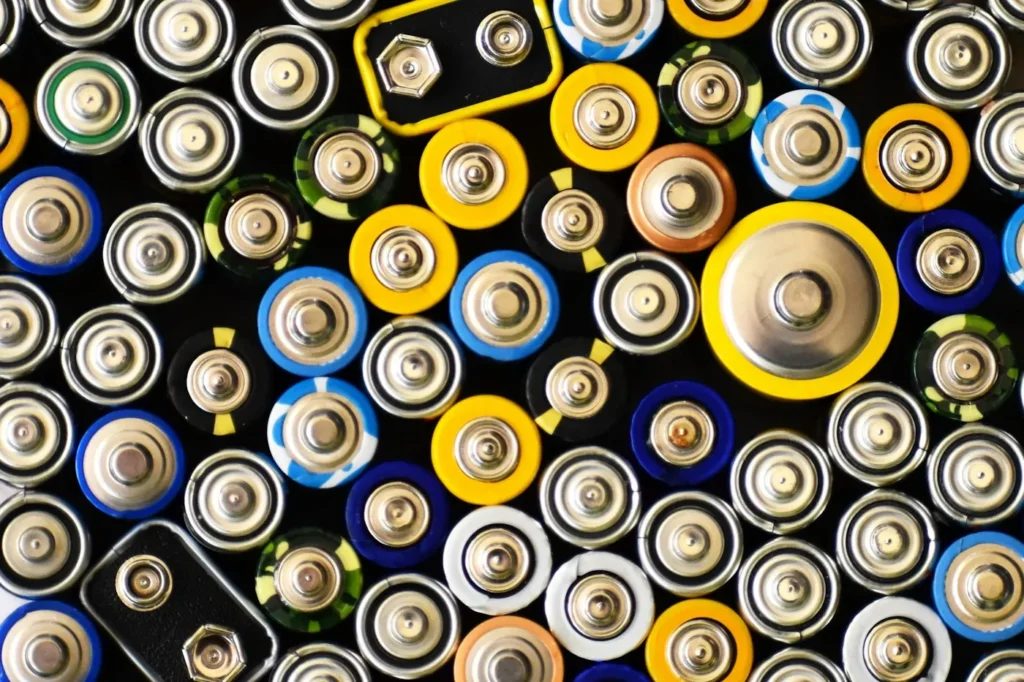
More often than you think: lithium batteries are Class 9. Standalone lithium-ion batteries (UN 3480) cannot fly on passenger aircraft and carry the Cargo Aircraft Only label; those contained in or packed with equipment are UN 3481. Electronics, cordless tools, aerosols or perfumes can fall into this category.
The common mistake
Not declaring the battery because “it is part of the product”. Undeclared dangerous goods can be held at origin or lead to penalties, and each airline can apply its own rules, stricter than the DGR. Ask before booking and consider whether sea freight suits you better.
Importing products with batteries? We help you choose the mode and paperwork in our air freight service.
Before booking: ask your supplier for the Safety Data Sheet (SDS) and the UN number of each product, and confirm with your forwarder whether the airline accepts the goods on that route. Those details decide whether it flies on a passenger aircraft, on a freighter or goes by sea instead.
Sources: IATA, Dangerous Goods Regulations; ICAO, Technical Instructions (Doc 9284), 2025-2026 edition. Current as of October 14, 2026.