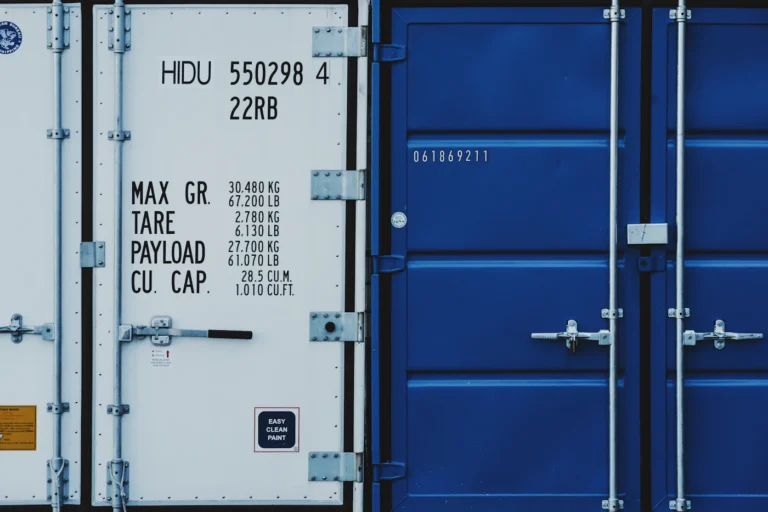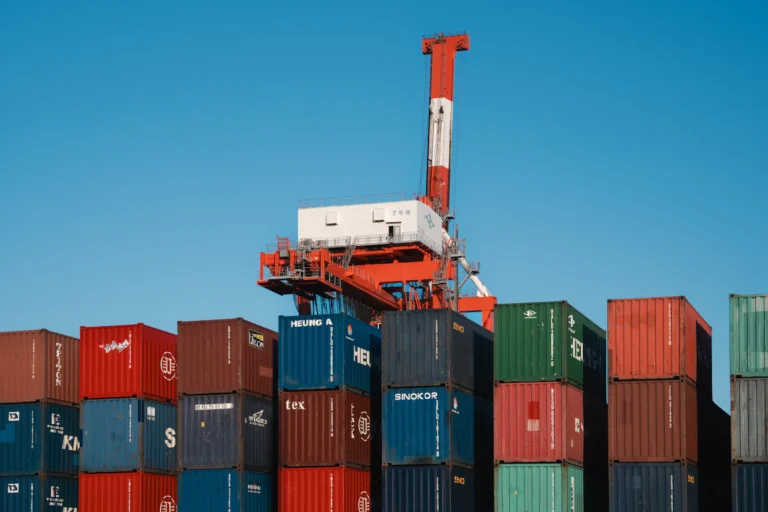
FCL (Full Container Load) and LCL (Less than Container Load) are the two ways to contract ocean container freight: in FCL you book a whole container for your cargo; in LCL you share the container with other importers’ goods and pay for the space yours occupies.
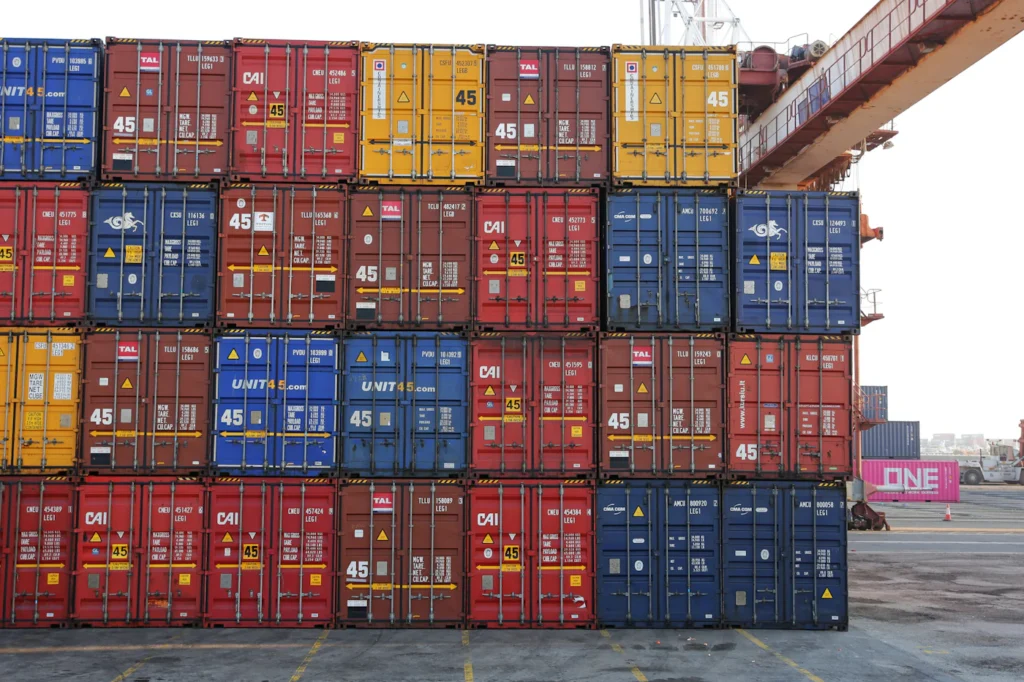
How each mode works
FCL: the container is loaded and sealed at the supplier’s warehouse and travels closed to destination. Your goods mix with nobody’s, handling is minimal and transit is more predictable.
LCL: your cargo goes to a consolidation warehouse at origin, shares a container with other shipments and is deconsolidated at destination before delivery. That double handling adds days and touchpoints.
Why it matters when importing from China
It is one of the first decisions in any ocean quote, and it drives cost, time and risk. Past a certain volume, FCL starts costing the same or less than LCL; where that crossover sits depends on the route, the season and current rates, so the right move is comparing both quotes on your actual shipment, not deciding by rule of thumb. And if you buy from several Chinese suppliers at once, consolidating your own cargo into one container often beats both.
The common mistake
Choosing LCL on the freight price alone. Consolidation and deconsolidation add damage risk and transit days, and LCL destination charges can eat the initial savings. For high-value goods, insure the cargo and consider monitoring, whatever the freight costs.
Quoting a shipment from China? Write to us and we give you both quotes side by side, destination charges included from the start.