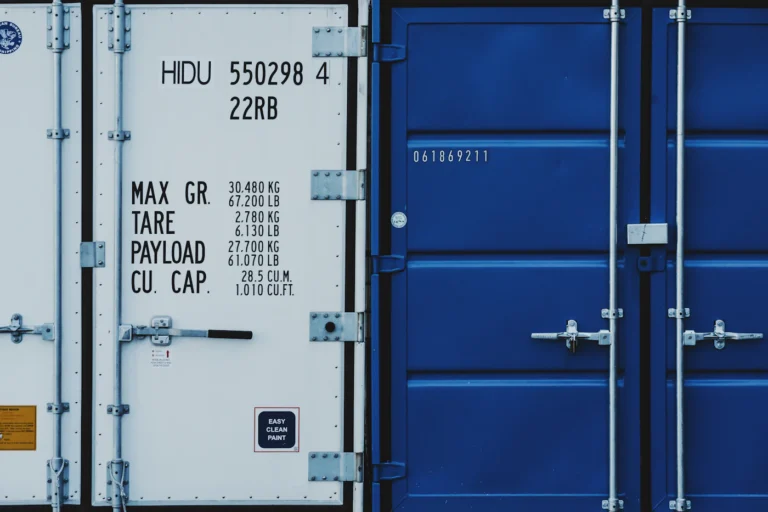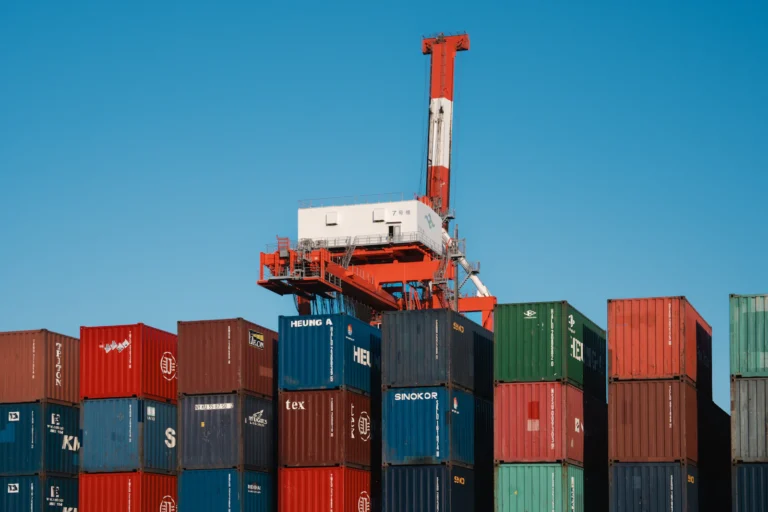
The THC (Terminal Handling Charge) is the fee for moving your container through the port terminal: off the vessel, across the yard, ready for pickup. It is the best known of the carrier surcharges, the family of line items that stack on top of the base freight and explain why two quotes with the same freight can end up costing very different money. Together, THC and carrier surcharges can add up to a large share of the freight cost.
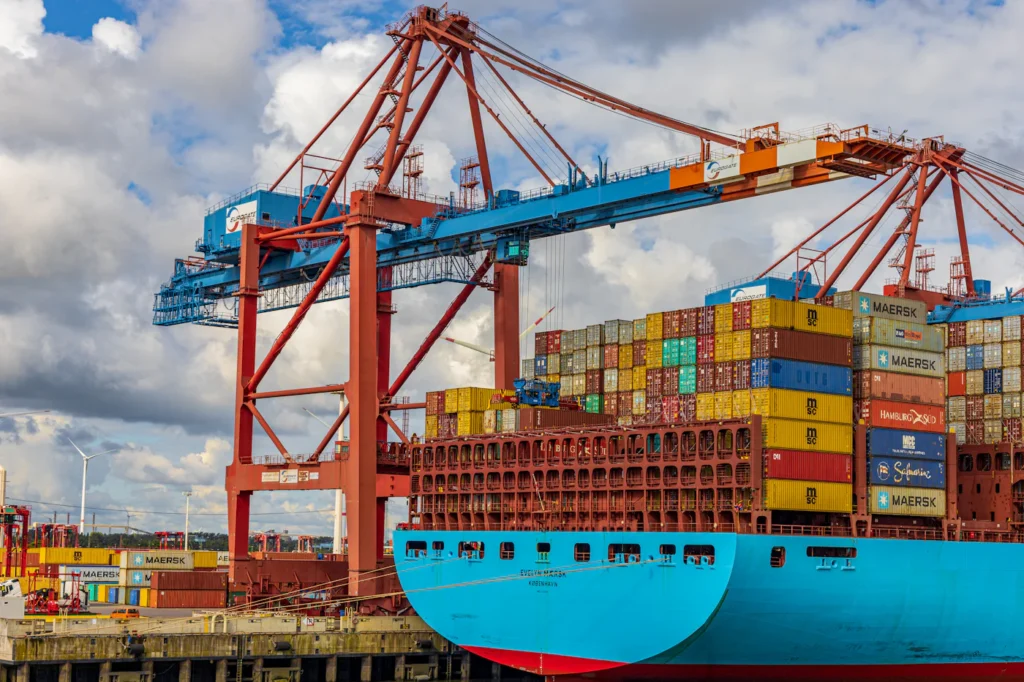
THC and carrier surcharges: the whole family
Besides THC at origin and destination, carriers apply surcharges for fuel, peak season, port congestion, documentation and route conditions, such as adjustments when the Panama Canal restricts transits. The exact list changes by carrier, route and season: what never changes is that they exist and somebody pays them.
When THC and carrier surcharges hit you importing from China
When you compare quotes and when you budget. A cheap CIF freight from the supplier tends to come with inflated local charges at destination, which you discover when the cargo has already arrived and you have no alternative: either you pay or the container is not released and demurrage begins.
The common mistake
Comparing quotes on base freight. The serious comparison is the total with every surcharge itemized in writing: what the freight includes, what is billed at origin, what is billed at destination and what may appear later. A quote that doesn’t itemize is a quote that will grow.
How to compare them when quoting
Always ask for an itemized quote, with base freight and each surcharge listed separately: BAF, CAF, PSS, origin and destination THC, and documentation fees. That way you can compare offers that look different and spot charges that show up at the end. Carriers publish their current surcharges by route, as Maersk does.
Our sea freight quotes come itemized, destination charges included from the start. Ask for yours.