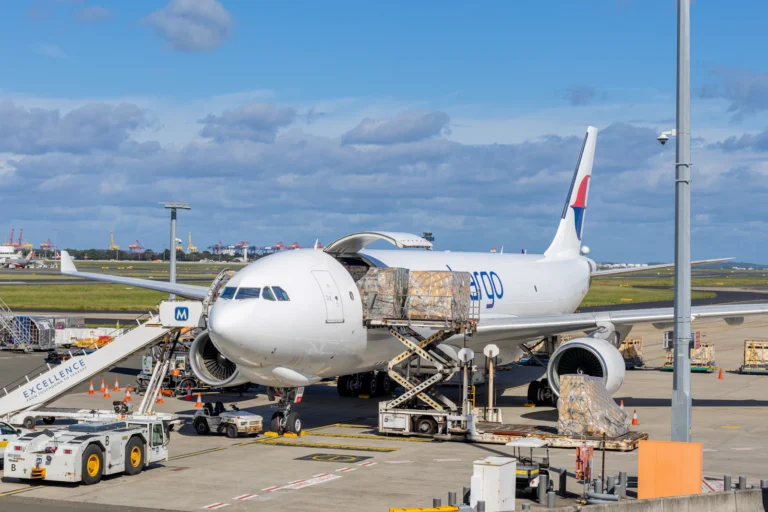
A ULD (Unit Load Device) is a device for grouping and restraining cargo, mail and baggage for air transport. There are three types: certified aircraft containers, pallets with nets, and special units such as temperature-controlled, fire-resistant or live animal units.
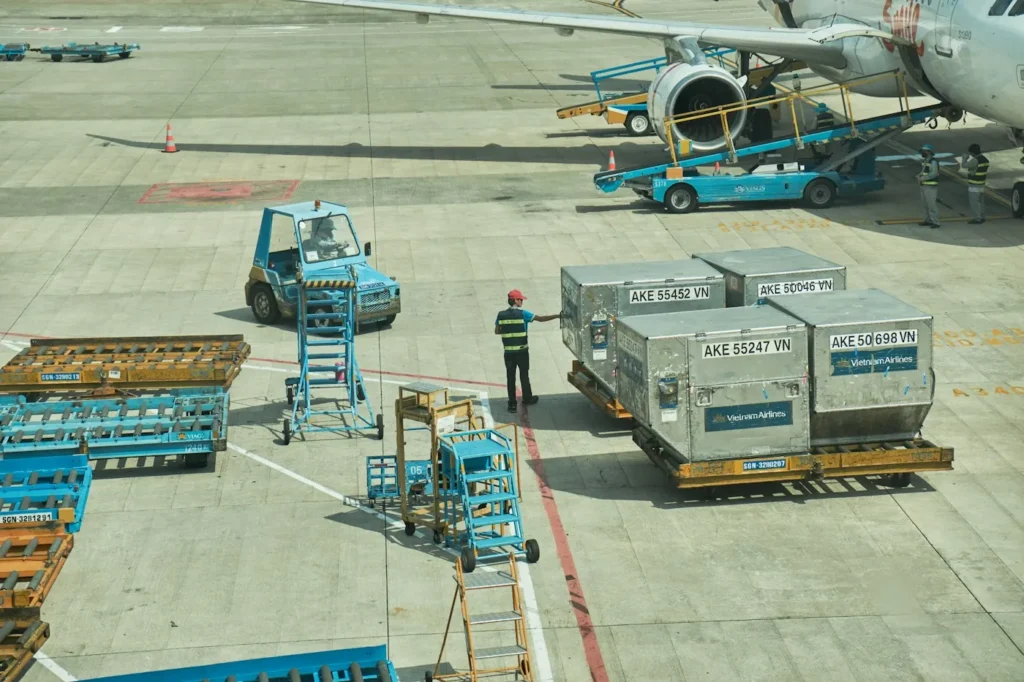
How a ULD is identified
Each ULD carries an IATA code of 9 or 10 characters: 3 for the type, 4 or 5 for the serial number and 2 for the owner. In type AKE, for example, A means certified container, K the base dimensions and E the contour. The standard is IATA’s ULD Regulations (ULDR), updated every year.
How it affects imports from China
When planning a bulky air shipment. Each ULD has a maximum gross weight depending on its position on the aircraft, plus contour, floor loading and center of gravity limits. A piece that does not fit the contour of a lower-deck ULD may need a freighter. That is why real dimensions and weight matter from the first quote, along with volumetric weight.
The common mistake
Quoting with approximate dimensions and finding out at the airport that the cargo does not fit the planned ULD. That changes the flight, the transit time and sometimes the cost. For oversized cargo, also check industrial project cargo transport.
Bulky air shipment? We plan it with real dimensions in our air freight service.
What to gather before quoting: the length, width and height of each package, the actual weight, whether it can be stacked and whether it must travel in a set orientation. With that, your forwarder can confirm which ULD it fits and on which aircraft type before booking space. It also helps to flag fragile or temperature-sensitive goods early, because they may need a special unit.
Source: IATA, What is aircraft ULD in air transport (ULD Regulations). Current as of October 14, 2026.