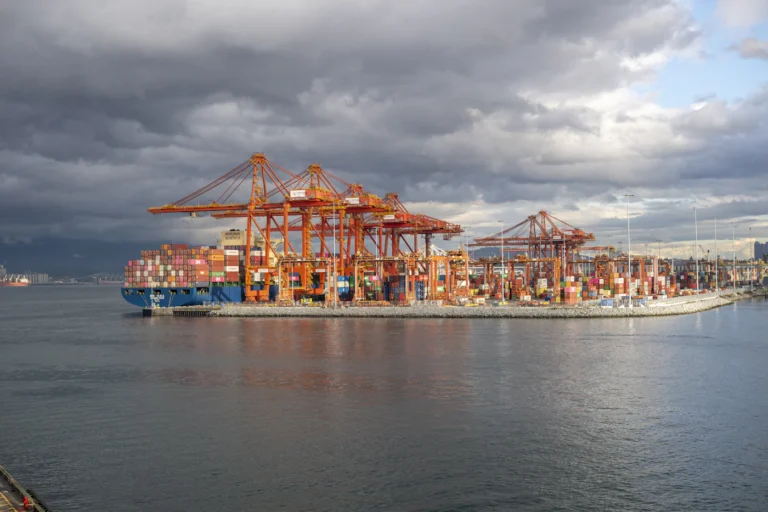
General average is an extraordinary sacrifice or expense made intentionally and reasonably to save the ship and cargo from a common danger, such as jettisoning containers or paying for emergency towage. The cost is not borne only by whoever suffered it: it is shared proportionally among all interests in the voyage, ship, cargo and freight.

How general average works
It is governed by the York-Antwerp Rules of the Comité Maritime International (CMI). The current version is the 2016 one, with a technical change in 2022. When the shipowner declares general average, an average adjuster calculates each interest’s contribution based on values at the end of the voyage. Claims for contribution must be made within one year from the date the adjustment is issued.
How general average affects imports from China
Even if your container reaches Manzanillo intact, you must contribute. The shipowner can hold the cargo until every owner secures its share. If your goods are insured, your insurer signs an average guarantee and the cargo is released without a cash deposit. If not, a cash deposit is usually required, and the final adjustment can take years.
The common mistake
Believing general average only affects whoever lost cargo. It affects everyone on board, and importers without cargo insurance find out when their container is held. The Institute Cargo Clauses (A), (B) and (C) all cover general average contributions.
Shipping without insurance? Write to us and we review the cover for your next sea freight shipment.
What to do if general average is declared: notify your insurer and your forwarder right away, gather the commercial invoice, the bill of lading and the policy, and do not sign anything with the adjuster until your insurer reviews the guarantee. If you have no insurance, get advice before handing over cash or guarantees.
Source: Comité Maritime International (CMI), York-Antwerp Rules 2016. Current as of October 14, 2026.