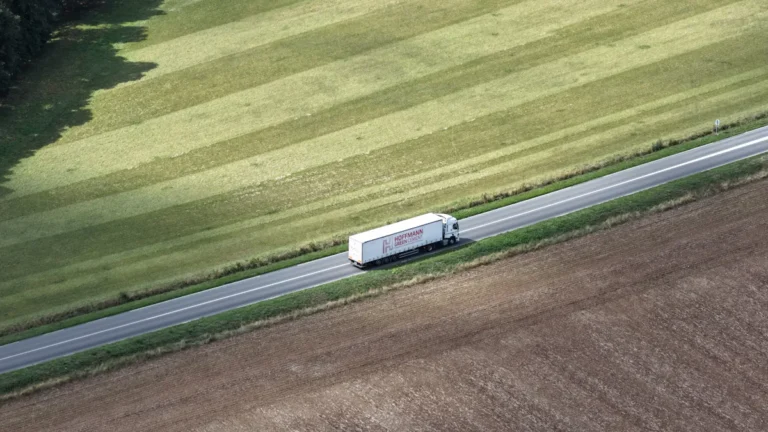
Mexico truck configurations are the cargo vehicle combinations allowed by NOM-012-SCT-2-2017, the standard that sets maximum weight, dimensions and capacity for federal road freight vehicles in Mexico, by vehicle class and road type.
How to read Mexico truck configurations
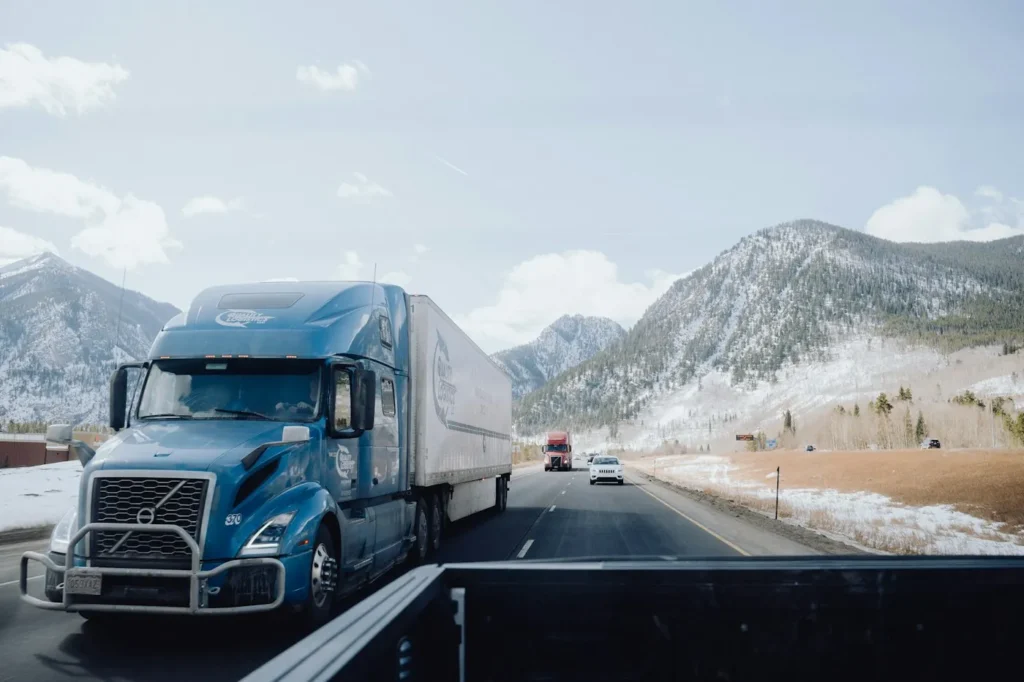
The standard uses letters and numbers: C is a rigid truck, T a tractor, S a semitrailer and R a trailer; the number is the count of axles. A C3 is a three-axle rigid truck, a T3-S2 is a three-axle tractor with a two-axle semitrailer, and a T3-S2-R4 is the double combination, known in Mexico as “full”.
| Configuration | What it is |
|---|---|
| C2, C3 | Rigid truck with 2 or 3 axles |
| T3-S2, T3-S3 | Tractor with one semitrailer |
| T3-S2-R4 (“full”) | Double combination: semitrailer plus trailer |
Roads are classified as ET, A, B, C and D, and each configuration has a weight limit by road type. The “full” only runs on ET and A roads, with express authorization.
How it affects imports from China
On the inland leg from the port. A container leaving Manzanillo for the Bajío or the north travels on one of these configurations, and the route’s road type defines which one can be used and at what weight. That affects the cost of FTL and the carta porte.
The common mistake
Loading the container to the maximum at origin without checking the allowed weight on Mexico’s inland route. Overweight can force splitting the load or changing trucks. Plan it ahead with our ground transport service.
What to ask your carrier: which configuration it will use, whether the route has stretches restricted for the full, and whether the truck’s permits are current. The weight declared in the carta porte should also match the real weight, since it is the first thing checked in a roadside inspection.
Source: NOM-012-SCT-2-2017, DOF Dec 26, 2017 (no official English version). Current as of October 14, 2026.